Burly Wood: The Organic Font for Modern Design
In a digital landscape saturated with sharp edges and cold precision, designers are increasingly seeking typefaces that convey warmth and authenticity. The Burly Wood font answers this call, offering an organic, grounded feel that brings understated charm to any creative project. This clean, hand-touched sans-serif captures the simplicity and warmth of natural materials, making it a versatile tool for creating genuine connections through visual design.
Understanding the Burly Wood Typeface
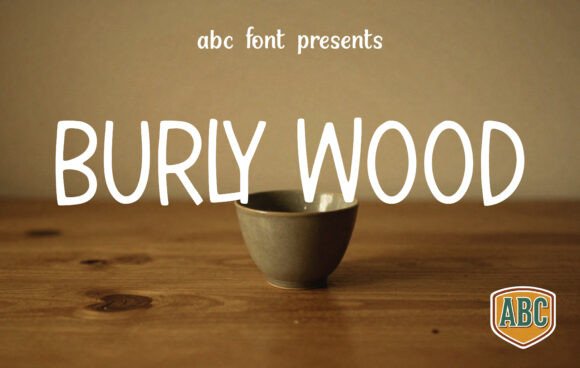
Burly Wood is more than just another "abc font"; it's a carefully crafted typeface designed to bridge the gap between modern minimalism and human touch. Its tall x-height and legible structure ensure excellent readability across both body text and headers, a critical factor for effective visual communication. The gentle curves and subtle imperfections in its letterforms mimic the organic quality of wood grain or hand-drawn strokes, providing a calming presence that feels both contemporary and timeless.
This unique character makes Burly Wood an essential asset for designers aiming to create a specific atmosphere. It excels in projects where you need to evoke rustic sophistication, eco-consciousness, or serene lifestyle aesthetics without sacrificing clarity or professionalism.
Practical Applications Across Design Disciplines
The true strength of the Burly Wood typeface lies in its remarkable versatility. Its adaptable nature allows it to serve numerous functions within a cohesive brand identity or a single creative campaign.
- Branding and Logo Design: Use Burly Wood to craft logos and brand marks for businesses centered on wellness, sustainability, artisanal goods, or outdoor living. It immediately communicates a brand's commitment to natural values and approachable quality.
- Marketing and Social Media Graphics: Create engaging social media content and marketing materials that stand out. Burly Wood pairs beautifully with soft, earthy color palettes and textured backgrounds, making your posts and ads feel authentic and inviting.
- Web and UI Design: Implement Burly Wood for website headers, navigation menus, and body copy to enhance user experience. Its legibility ensures a smooth reading flow, while its aesthetic contributes to a calming, focused digital environment, perfect for home decor websites or wellness blogs.
- Packaging and Print Design: Design serene menus for wellness cafes, product labels for organic skincare, or packaging for eco-friendly goods. The font's organic quality reinforces a product's story and appeals directly to an audience that values craftsmanship and natural ingredients.
- Editorial and Presentation Design: Elevate editorial layouts for lifestyle magazines or create professional presentations that feel both polished and personal. Burly Wood helps establish a clear visual hierarchy that guides the reader's eye effortlessly.
Integrating Burly Wood Into Your Design Workflow
Selecting the right typeface is a fundamental design decision that impacts every aspect of a project. To effectively integrate Burly Wood, consider its role within your broader visual system. Its strength lies in creating a specific mood, so ensure that mood aligns with your project's goals and target audience expectations.
For maximum impact, pair Burly Wood with complementary design elements. As noted, it harmonizes exceptionally with a muted, earthy color palette—think soft greens, warm beiges, and terracotta. Combine it with high-quality imagery of natural textures, like linen, stone, or, of course, wood, to create a fully immersive and cohesive brand experience. When using it for body text, ensure sufficient line spacing and contrast against the background to maintain its excellent readability across devices.
Ultimately, the choice of typography is a powerful statement in visual design. By thoughtfully selecting and applying a typeface like Burly Wood, you do more than just convey information; you craft an emotion, tell a story, and build a deeper, more authentic connection with your audience. Quality creative assets are not just decorative—they are foundational tools for clear communication and memorable design.