Hammer Font: Elevate Your Visual Design
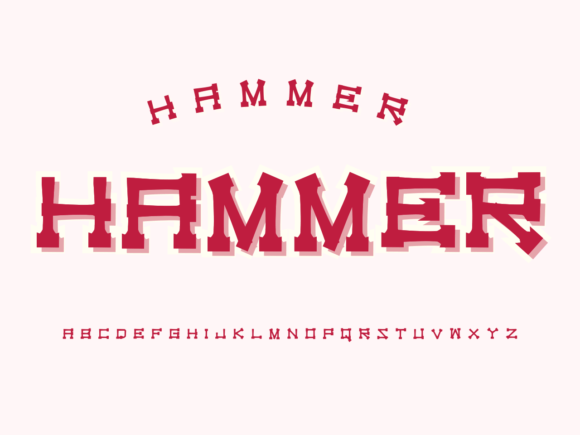
Looking for a typeface that instantly injects personality and warmth into your projects? The Hammer font is a fun and friendly handwritten font designed to turn any design idea into a true standout. In the crowded landscape of graphic design, where clean sans-serifs and rigid serifs often dominate, a well-crafted script like Hammer offers a refreshing touch of authenticity. It captures the organic imperfections of hand-lettering while maintaining the consistency required for professional typography. By incorporating Hammer into your toolkit, you can bridge the gap between corporate precision and human connection, making it an invaluable asset for modern visual communication.
The Psychology of Handwritten Typography
Typography is the voice of your design, and handwritten fonts speak a language of approachability and creativity. Unlike traditional typefaces that can feel sterile or distant, a script font like Hammer conveys emotion and effort. It signals to the viewer that a human element is behind the design, which is crucial for building trust in branding. When used correctly, this style of typography can guide the user’s eye, create visual hierarchy, and evoke specific feelings ranging from playful excitement to elegant sincerity. Understanding this psychological impact is the first step in leveraging Hammer effectively.
Practical Applications Across Industries
The versatility of the Hammer font allows it to shine across a wide variety of creative projects. Its unique charm makes it suitable for applications where personality is just as important as information. Whether you are working on digital marketing assets or physical print materials, Hammer adapts to the medium.
- Brand Identity and Logo Design: Use Hammer to create memorable logos that feel personal and bespoke. It is particularly effective for lifestyle brands, artisanal products, and creative agencies looking to distinguish themselves from corporate monotony.
- Social Media Graphics: In the fast-scrolling world of social media, Hammer grabs attention. Its friendly aesthetic is perfect for Instagram quotes, Facebook headers, and TikTok overlays, helping to boost engagement and shareability.
- Web Design and UI Elements: While body text requires high legibility, Hammer can be used for headlines, call-to-action buttons, or hero images to break the monotony of standard web typography and improve the overall user experience.
- Packaging and Editorial Design: From coffee shop menus to boutique product labels, Hammer adds a tactile, artisanal quality to packaging design. In editorial layouts, it works beautifully for pull quotes or section headers to add visual interest.
Integrating Hammer into Your Design Workflow
To ensure that Hammer enhances rather than overwhelms your design, it is essential to follow best practices regarding composition and readability. A common mistake in visual design is pairing two distinct typefaces that compete for attention. Instead, balance the expressive nature of Hammer with a neutral, geometric sans-serif or a classic serif font. This contrast establishes a clear visual hierarchy, allowing the handwritten font to highlight key messages while the secondary font handles the detailed information.
Furthermore, consider the color palette and background texture when deploying this font. Handwritten scripts often perform best when they have ample breathing room. Avoid placing Hammer over busy, high-contrast images without a semi-transparent overlay or a solid color block behind it. Scalability is another factor; while Hammer is designed to be friendly, ensure it remains legible across different screen sizes, particularly in responsive web design and mobile UI contexts.
Tips for Selecting and Using Creative Assets
When evaluating creative assets like the Hammer font for your workflow, focus on consistency and adaptability. Ask yourself if the font supports the necessary character sets for your audience and if it includes stylistic alternates that allow for customization. A high-quality font file ensures that your design looks professional whether it is viewed on a high-resolution retina screen or printed on textured paper.
Ultimately, the goal of any design asset is to facilitate better communication. By choosing a typeface that aligns with the brand’s voice, you create a cohesive narrative. Hammer is not just a decorative element; it is a tool for storytelling. It helps marketers and designers convey warmth, creativity, and approachability without saying a word. As you refine your design process, remember that the best visual design is invisible—it guides the user effortlessly. Investing in versatile and high-quality typography ensures that your creative projects not only look beautiful but also resonate deeply with your intended audience.