Rahul: The Quirky Font for Friendly Design
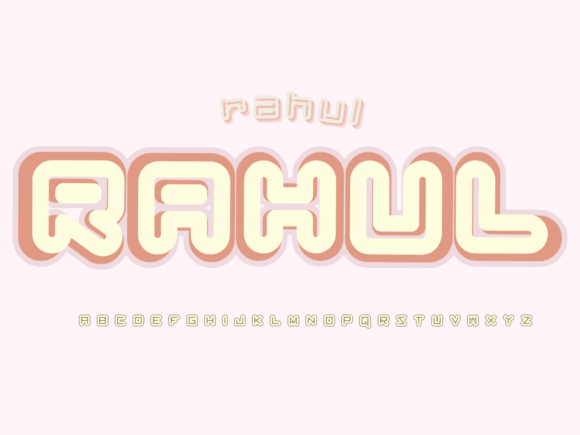
In the vast landscape of typography, finding a typeface that balances professionalism with personality can feel like searching for a needle in a haystack. Rahul, a childish and quirky display font, emerges as a delightful exception that conveys impeccable friendliness. Whether you're using it for crafts, digital design, presentations, or making greeting cards, this font has the potential to become your favorite go-to font, no matter the occasion! Its approachable character makes it a powerful tool in a designer's arsenal for projects requiring warmth and approachability.
Understanding Rahul's Role in Visual Communication
Typography is the voice of your design, and Rahul speaks with a cheerful, inviting tone. In modern graphic design, where audiences are bombarded with information, a font that immediately puts viewers at ease can significantly improve engagement. Rahul's rounded edges and playful proportions create an instant connection, making it ideal for contexts where trust and friendliness are paramount. It supports a visual hierarchy that guides the eye without feeling rigid or overly corporate, enhancing the overall user experience through its inherent charm.
Practical Applications Across Creative Projects
The versatility of Rahul allows it to shine in numerous design scenarios, each benefiting from its unique aesthetic. Its effectiveness lies in its ability to inject personality while maintaining clarity.
- Branding and Logo Design: For brands targeting families, children's products, educational services, or lifestyle brands seeking a casual vibe, Rahul can form the core of a memorable logo. It helps build a brand identity that feels accessible and genuine.
- Marketing and Social Media: In digital marketing, especially on social media graphics, Rahul captures attention in crowded feeds. Its friendly nature boosts click-through rates for calls-to-action in stories, posts, and ads for promotions or community engagement.
- Editorial and Packaging Design: Use Rahul for headlines in editorial layouts for magazines, blogs, or children's books. In packaging design, it can make products on shelves feel more inviting and fun, directly communicating the product's playful spirit to consumers.
- UI and Web Design: While not for body text, Rahul is excellent for web design and UI design elements like buttons, banners, or section headers in apps and websites aimed at younger demographics or creative communities. It adds a layer of delight to the user interface.
- Promotional Materials: From advertising campaigns and presentations to merchandise like t-shirts and mugs, Rahul brings a cohesive, upbeat energy. It's perfect for creating professional presentations that need to feel less formal and more engaging.
Tips for Integrating Rahul into Your Design Workflow
To maximize the impact of Rahul, consider these practical guidelines for your creative assets. First, pair it wisely. Its quirky nature works best with simple, neutral sans-serif or serif fonts for body text to ensure readability and visual balance. Second, always test for scalability. Display fonts like Rahul should be legible at various sizes, from a small greeting card to a large poster. Third, align it with your audience's expectations. While it's fantastic for playful contexts, it may not suit ultra-serious or luxury brand identities where sleek minimalism is key. Finally, use it to establish a clear visual hierarchy. Let Rahul dominate headlines or key messages, allowing its personality to set the tone without overwhelming the entire composition.
Thoughtful typography is a cornerstone of effective design, directly influencing how a message is received and remembered. By carefully selecting and applying quality creative assets like the Rahul font, designers, marketers, and creators can significantly elevate their work. It transforms standard projects into memorable experiences, strengthens brand communication, and ultimately creates a more polished and professional result that resonates deeply with its intended audience. The right font isn't just a choice; it's a strategic decision that shapes perception and drives connection.