Retro Groove: Infusing Vintage Charm into Modern Design
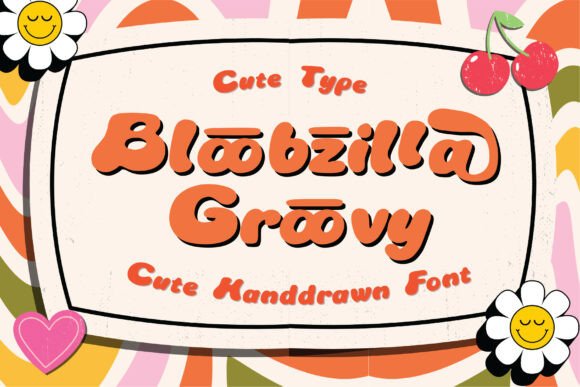
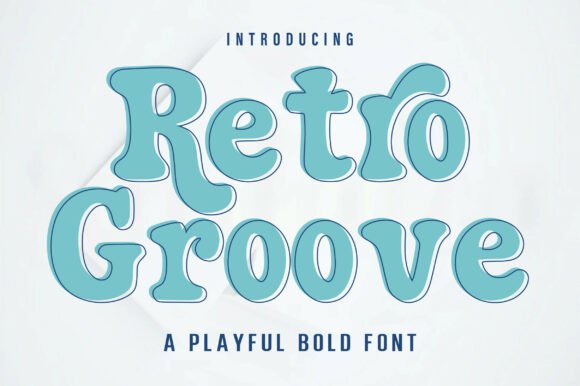
In a digital landscape saturated with minimalist sans-serifs and stark interfaces, a burst of personality can be the key to capturing attention. Retro Groove is a bold and playful display font that captures the essence of vintage design with a modern twist. Its smooth curves, thick strokes, and rounded letterforms deliver a fun and groovy aesthetic, making it a powerful tool for graphic designers, marketers, and creators looking to inject energy and nostalgia into their work. This typeface isn't just a nod to the past; it's a strategic asset for building memorable visual communication.
The Power of a Distinctive Typeface in Branding
Typography is a cornerstone of brand identity, silently communicating tone, personality, and values. A typeface like Retro Groove, with its soft color palette potential and subtle shadow effects, adds depth and dimension that can transform a simple logo into a story. When used in logo design, it instantly conveys a sense of fun, approachability, and creative confidence. This makes it particularly effective for brands in lifestyle, entertainment, food and beverage, or any sector aiming to project a vibrant, friendly, and contemporary image. Its balanced design ensures the brand message remains clear and impactful across various scales.
Practical Applications Across Creative Projects
The versatility of a well-crafted display font extends far beyond a logo. Retro Groove’s unique personality shines in numerous applications, enhancing both digital and print design. Consider its role in strengthening your visual hierarchy and engaging your audience:
- Marketing & Social Media Graphics: Create eye-catching posters, event flyers, and social media ads that stand out in a crowded feed. The font's energetic vibe is perfect for announcements, sales promotions, and lifestyle content, boosting user engagement.
- Packaging & Merchandise: On product packaging, this typeface can evoke a sense of artisanal quality or nostalgic fun, directly influencing consumer perception at the point of sale. It’s equally effective for designing branded merchandise like t-shirts, mugs, and tote bags.
- Editorial & Web Design: Use it for headline typography in magazines, blogs, or website hero sections to grab attention and set a thematic tone. In UI design, it can be used sparingly for key headers or calls-to-action to inject personality without compromising overall readability.
- Presentations & Digital Products: Elevate presentations, e-books, or online course materials with a typeface that feels both professional and engaging, improving the overall user experience and information retention.
Integrating Retro Groove into Your Design Workflow
Successfully incorporating a distinctive font like this requires thoughtful application. Always consider your audience expectations and the core message of your project. For maximum impact, pair Retro Groove with a simpler, highly readable font for body text to maintain a clear visual hierarchy and ensure accessibility. Evaluate its scalability for your intended uses—while perfect for large headlines, ensure it remains legible at smaller sizes if used in specific contexts.
When developing a cohesive brand system, test the font against your existing color palette and imagery. Its retro-inspired curves can complement vintage photography or illustrations beautifully, while also creating an intriguing contrast with modern, clean design elements. The goal is to use its charm to enhance, not overwhelm, your overall composition. By strategically applying such creative assets, you streamline your design workflow while achieving a polished, professional presentation that resonates.
Ultimately, the choice of typography is a fundamental design decision that influences perception, emotion, and clarity. Leveraging high-quality, character-rich assets like Retro Groove allows creators to move beyond generic templates and craft visual narratives with genuine personality. In the pursuit of effective visual communication, investing in the right tools to express a unique brand voice is what separates good design from truly memorable and impactful work.