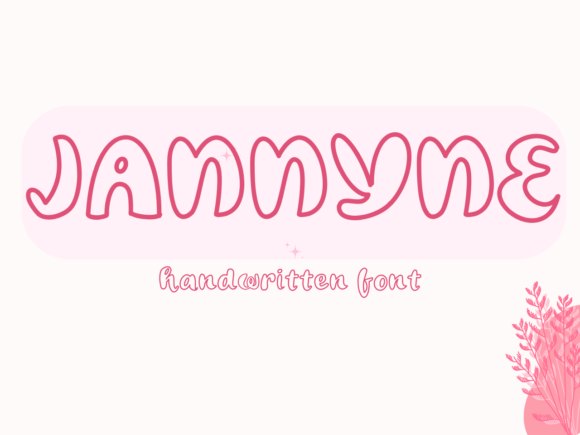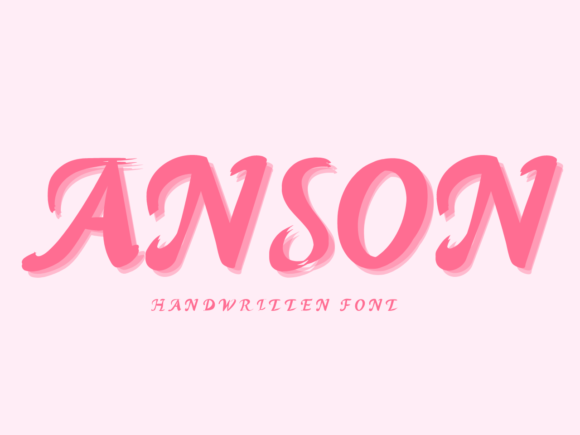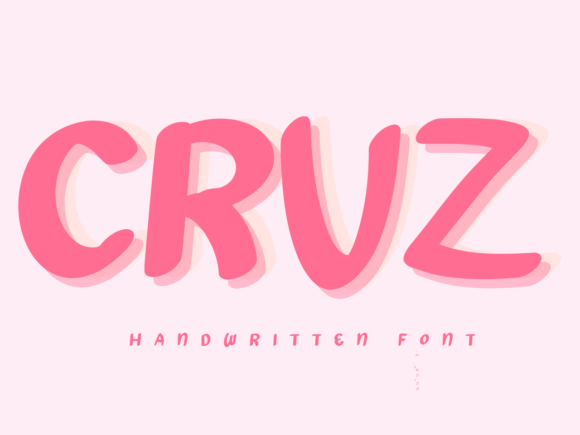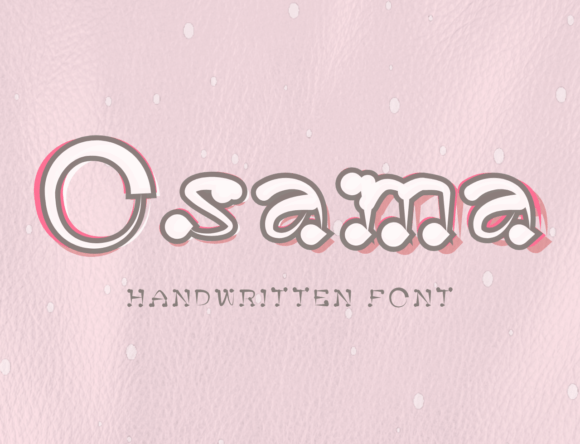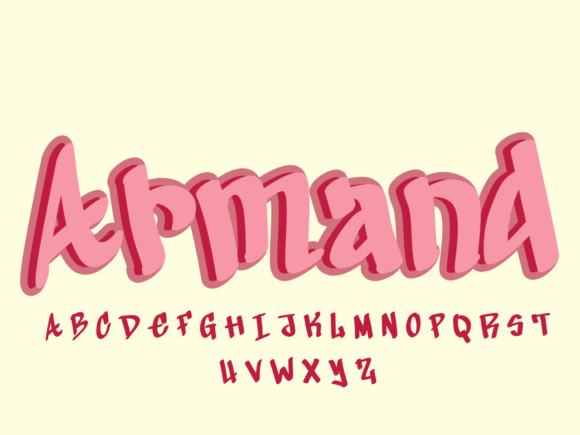
Armand: A Sweet Handwritten Font for Creative Designers
Imagine finding a typeface that instantly adds warmth and personality to your work. That's the charm of Armand, a sweet and friendly handwritten font that feels both natural and unique. In the world of graphic design, where visual communication is paramount, choosing the right typography can transform a project from ordinary to memorable. Its authentic style makes it incredibly fitting for a large pool of designs, from branding to digital content, proving that the only limit is your imagination.
The Power of Handwritten Typography in Modern Design
Handwritten fonts like Armand play a crucial role in creating effective visual communication. They evoke emotions, convey authenticity, and build a personal connection with the audience. In an era dominated by clean, sans-serif fonts, a well-chrafted script can cut through the noise, making a brand feel more human and approachable. This is essential for strengthening brand identity, as it helps a business stand out with a distinct voice and visual style.
Practical Applications Across Creative Projects
The versatility of a font like Armand allows it to enhance numerous design contexts. Its friendly character makes it suitable for projects where approachability and creativity are key.
- Branding and Logo Design: Use Armand to craft logos for boutique brands, artisanal products, or creative studios that want to highlight their handcrafted, personal touch.
- Marketing Materials: Incorporate it into flyers, posters, and digital ads to add a layer of charm and immediacy, perfect for event promotions or special offers.
- Social Media Content: Create engaging graphics for Instagram, Pinterest, or Facebook that feel personal and inviting, boosting user engagement through relatable visuals.
- Website and UI Design: Apply it selectively for headers, quotes, or call-to-action elements to guide the user's eye and improve the overall user experience with a touch of personality.
- Packaging Design: Elevate product packaging on labels, boxes, or tags, making items feel special and thoughtfully designed, which can influence purchasing decisions.
- Editorial Layouts: Use it for pull quotes, chapter titles, or magazine features to create visual interest and break up large blocks of text in print or digital publications.
Integrating Armand into Your Design Workflow
To use a handwritten font effectively, consider its role within your broader visual design system. Typography should contribute to a clear visual hierarchy, not compete with it. Armand works best as a display or accent font rather than for long body text, where readability is critical.
When selecting and evaluating such a creative asset, keep these practical tips in mind:
- Consistency is Key: Ensure the font's style aligns with your overall brand identity and color palette. It should complement, not clash, with your other design elements.
- Test for Readability: Always check how the font renders at different sizes and on various screens. What looks charming in a logo might become illegible as a UI button label.
- Pair Thoughtfully: Combine Armand with a simple, clean sans-serif or serif font for body copy. This contrast creates a balanced and professional presentation.
- Consider Your Audience: Does the playful, handwritten style match the expectations of your target market? It's perfect for creative, lifestyle, or youth-oriented brands but may need careful consideration for more formal industries.
Thoughtful design choices, from typography to composition, directly impact how your message is received and remembered. Quality creative assets like Armand are not just decorative; they are tools that enhance communication, evoke specific emotions, and contribute to a polished, cohesive visual narrative. By selecting fonts that align with your design goals and audience, you invest in creating work that is both aesthetically pleasing and functionally effective, ultimately elevating the quality of every creative project you undertake.