Lina: A Sweet and Friendly Handwritten Font for Modern Design
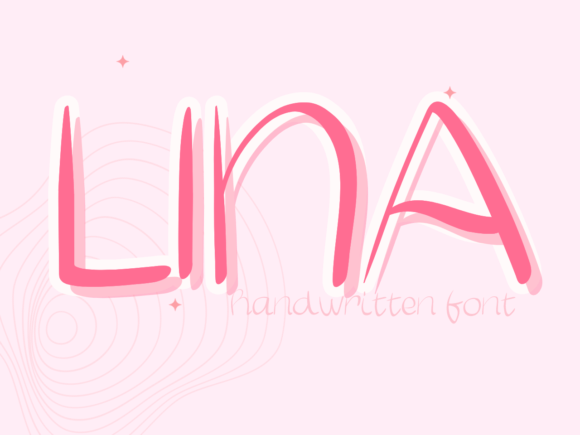
In the crowded landscape of digital typography, finding a font that feels both personal and professional is a rare discovery. Lina, a sweet and friendly handwritten font, immediately captures attention with its natural flow and unique character. This isn't just another script typeface; it's a versatile creative asset designed to inject warmth and authenticity into a wide array of visual projects. Its organic style bridges the gap between casual charm and polished design, making it an invaluable tool for anyone looking to enhance their visual communication.
The Role of Authentic Typography in Visual Design
Typography is the voice of design. Choosing the right font can transform a simple message into a memorable experience. In an era where audiences crave genuine connection, handwritten fonts like Lina offer a powerful solution. They evoke a sense of handcrafted care, making brands feel more approachable and human. This is crucial for effective branding and visual hierarchy, where the goal is not just to be seen, but to be felt. Lina’s legibility and balanced proportions ensure it maintains clarity across various applications, a key consideration in both digital and print design.
Practical Applications Across Creative Projects
The true strength of a typeface is measured by its adaptability. Lina’s natural style makes it incredibly fitting for a large pool of designs, limited only by your imagination. Here are some key areas where it can elevate your work:
- Brand Identity & Logo Design: Perfect for creating logos that require a personal touch, such as for boutique shops, cafés, wedding planners, or artisanal product lines. It helps establish a friendly and trustworthy brand personality from the first glance.
- Marketing & Social Media Graphics: Use Lina for quotes, call-to-action phrases, or headlines in digital marketing campaigns and social media content. Its distinctive style boosts engagement by breaking through the noise of generic sans-serifs, making posts more shareable and visually appealing.
- Editorial & Web Design: Ideal for hero sections, pull quotes, or accent text in editorial layouts and UI design. It adds a layer of sophistication and visual interest without compromising the user experience, contributing to a modern aesthetic.
- Packaging & Merchandise: On product packaging, Lina can communicate quality and artisanal value. It’s equally effective for merchandise like tote bags, mugs, and apparel, where a custom, hand-lettered look is desirable.
Integrating Lina into Your Design Workflow
To maximize the impact of any creative asset, thoughtful integration is key. When using a font like Lina, consider these practical tips for your design workflow:
- Purpose and Audience: Always start with your project goals and target audience. Lina works best for designs aiming for warmth, creativity, and approachability. It may not suit formal corporate reports but excels in lifestyle, creative, and consumer-facing contexts.
- Visual Hierarchy and Pairing: Use Lina for headlines, subheadings, or featured text to create a clear focal point. Pair it with a clean, neutral sans-serif for body copy to ensure readability and balance. This combination creates a dynamic and professional presentation.
- Consistency and Scalability: Maintain consistency by using Lina in specific, recurring elements across your brand system. Test its scalability to ensure it remains effective from a small favicon to a large billboard, preserving its unique charm at every size.
Ultimately, the fonts you choose are fundamental building blocks of your visual language. They influence perception, guide the viewer’s eye, and contribute significantly to the overall quality of your design. A thoughtfully selected asset like Lina does more than decorate—it communicates. By investing in high-quality, versatile typography, you empower your projects to connect more deeply, stand out more effectively, and achieve a polished, professional result that resonates with your audience.