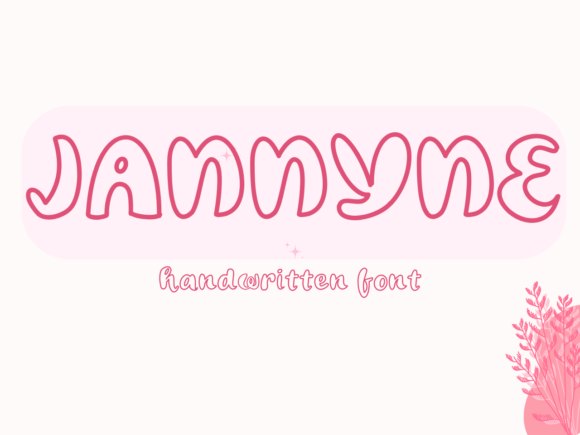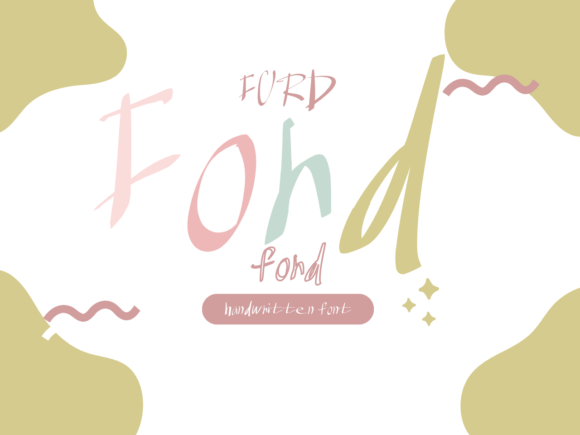
Ford: The Sweet, Friendly Handwritten Font for Modern Design
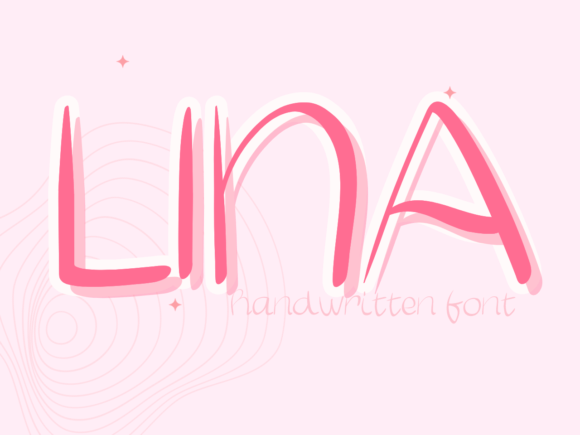
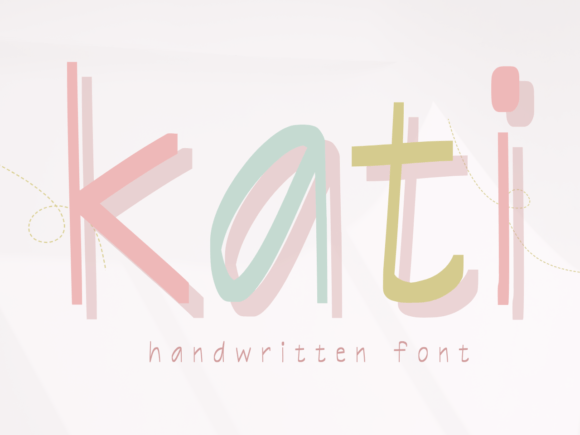
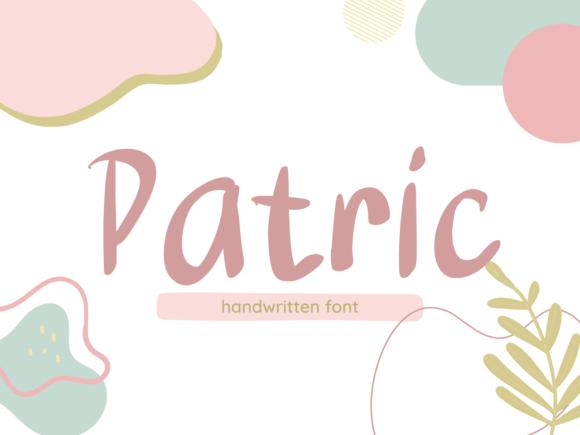
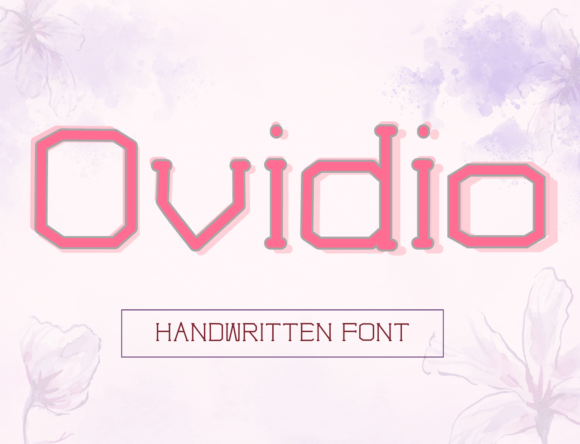
In the crowded landscape of digital typography, finding a typeface that feels both personal and professional can be a challenge. Ford is a sweet and friendly handwritten font that solves this dilemma with effortless style. Its natural and unique character makes it incredibly fitting for a large pool of designs, from branding projects to social media graphics. The only limit is your imagination, as this versatile typeface bridges the gap between approachable warmth and sophisticated design, making it an invaluable asset for any creative toolkit.
Understanding the Visual Impact of a Handwritten Style
In modern graphic design, typography is a cornerstone of visual communication. A font like Ford offers more than just legible text; it injects personality and emotion into a project. Its handwritten aesthetic creates an immediate sense of authenticity and human touch, which is crucial in an era where audiences crave genuine connection. This quality makes it particularly effective for designs that aim to feel approachable, creative, or personal, directly enhancing the user experience by evoking specific feelings and setting a clear tone.
Practical Applications Across Creative Projects
The true strength of a resource like Ford lies in its adaptability. It can elevate a wide range of creative assets, ensuring your designs stand out with a cohesive and memorable visual identity. Consider these practical applications where a friendly handwritten font can make a significant impact:
- Branding and Logo Design: Use Ford to craft a logo or brand mark that feels unique and human-centric. It’s perfect for lifestyle brands, artisanal products, or creative agencies that want to convey approachability.
- Marketing Materials: From flyers and posters to email headers, this font can draw attention and add a personal touch to promotional content, improving engagement.
- Social Media Graphics: Create scroll-stopping quotes, announcements, and story text. Its friendly style boosts shareability and helps build a recognizable brand voice online.
- Web Design and UI Elements: While best used for headings or accents, Ford can add warmth to a website’s hero section or call-to-action buttons, enhancing the overall user interface design without sacrificing clarity.
- Packaging and Print Design: On product labels, thank-you cards, or book covers, a handwritten font adds a tactile, artisanal quality that can influence purchasing decisions and strengthen brand identity.
Integrating Typography with Your Design Workflow
Successfully incorporating a typeface like Ford into your design workflow requires thoughtful consideration. Always evaluate it against your project’s core goals. For instance, while it excels in creating a strong visual hierarchy for headlines, it should be paired with a clean, simple sans-serif or serif font for body text to maintain readability. Consider your existing brand systems; the font’s color palette compatibility and scalability are vital for maintaining consistency across different media, from large-format prints to small mobile screens.
When selecting any creative asset, assess its versatility. A high-quality handwritten font should include a range of glyphs, support multiple languages, and offer stylistic alternates. This ensures it can adapt to various design contexts, whether you’re working on a minimalist web design or a vibrant advertising campaign. Ultimately, the best design choices are those that serve both form and function, creating a polished, professional presentation that resonates with your target audience.
Thoughtful design is about more than just aesthetics; it’s about effective communication. By carefully selecting and applying quality creative assets like the Ford font, designers and creators can craft visual experiences that are not only beautiful but also deeply engaging and purposeful. This strategic approach to typography and visual elements is what transforms a good design into a great one, ensuring your message is not only seen but felt.