Kati: The Sweet, Handwritten Font for Modern Design
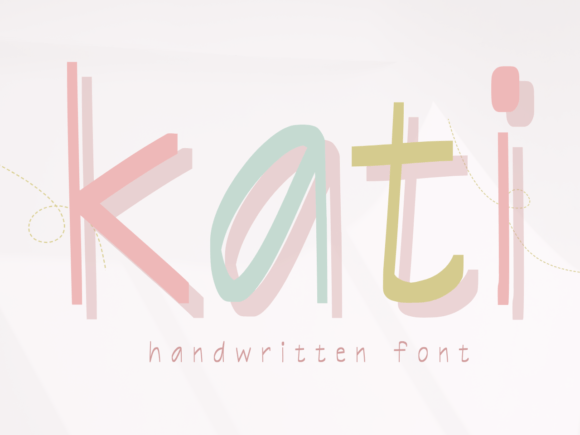
Imagine a typeface that feels like a friendly handshake or a warm, handwritten note—this is the immediate charm of the Kati font. In a digital landscape saturated with rigid, impersonal type, Kati offers a sweet, approachable voice that can transform a design from merely functional to genuinely engaging. Its natural, flowing style and unique character make it an incredibly versatile tool for designers seeking to inject personality and warmth into their creative projects.
The Role of Authentic Typography in Visual Design
Typography is a cornerstone of effective graphic design, directly influencing readability, mood, and brand perception. While sans-serifs convey modernity and serifs suggest tradition, a well-crafted handwritten font like Kati bridges the gap, offering authenticity without sacrificing clarity. It plays a critical role in establishing a visual hierarchy, guiding the viewer's eye, and reinforcing a brand's human-centric identity. Choosing the right typeface is not just an aesthetic decision; it's a strategic one that impacts user experience (UX) and communication.
Kati’s value lies in its ability to evoke emotion and create connection. In branding, this translates to a logo or wordmark that feels personal and trustworthy. For digital marketing, it can make social media graphics stand out in a crowded feed, fostering higher engagement. Its natural style complements a wide range of color palettes and imagery, allowing it to adapt seamlessly to various design goals, from playful and whimsical to elegant and sophisticated.
Practical Applications for the Kati Font
The true test of a creative asset is its versatility across different mediums. Kati excels in numerous applications, proving its worth as a foundational element in a designer's toolkit.
- Branding and Logo Design: Use Kati to craft distinctive logos, brand marks, and taglines that communicate approachability and creativity. It's particularly effective for businesses in lifestyle, food, wellness, or artisanal sectors.
- Marketing and Social Media: Create eye-catching headlines, quotes, and call-to-action text for Instagram stories, Facebook ads, and email campaigns. Its friendly vibe can improve click-through rates and audience connection.
- Web and UI Design: Apply Kati sparingly but strategically in website hero sections, button text, or promotional banners to add a touch of personality. Ensure it remains legible across devices and screen sizes.
- Editorial and Packaging Design: Enhance book covers, magazine layouts, product packaging, and labels. Kati can help tell a brand's story visually, making products feel more personal on the shelf or in an unboxing video.
- Digital Products and Presentations: Elevate slide decks, e-books, and online course materials. A thoughtful font choice like Kati can make information more digestible and presentations more memorable.
Integrating Kati into Your Design Workflow
Successfully incorporating a script or handwritten font requires a thoughtful approach to maintain professionalism and readability. Here are key considerations for using Kati effectively:
- Prioritize Readability and Scalability: Test the font at various sizes. While perfect for headlines, avoid using it for long body text where legibility is paramount. Ensure it scales well from a small social media icon to a large printed banner.
- Establish Visual Hierarchy: Pair Kati with a clean, neutral sans-serif or serif font. Use Kati for key elements you want to highlight—like a main heading or a single impactful word—to create a clear and balanced layout.
- Consider Audience and Context: Align the font's style with your brand's voice and your target audience's expectations. A playful, rounded script suits a children's brand, while a more refined version might fit a boutique agency.
- Maintain Brand Consistency: If using Kati as part of a brand identity system, document its usage rules—specific sizes, colors, and pairing fonts—to ensure consistency across all touchpoints, from digital ads to print design.
Ultimately, the power of a font like Kati lies in its ability to make designs feel more human and relatable. In the pursuit of modern aesthetics and professional presentation, investing in high-quality, expressive typography is a strategic move. It strengthens brand identity, enhances user engagement, and elevates the overall quality of creative work, proving that the right typeface is much more than just letters on a page—it's a vital component of visual storytelling.