The Timeless Charm of the Vine Font in Modern Design
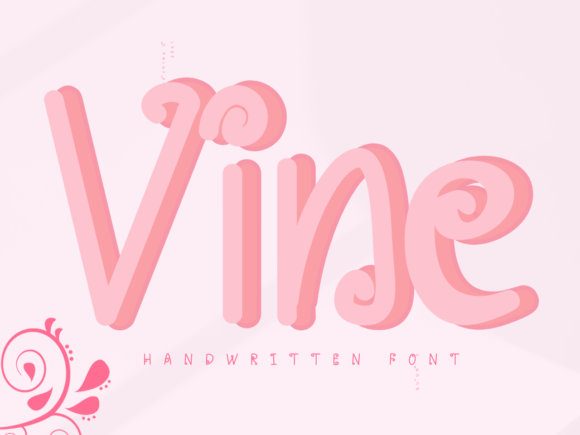
Imagine a typeface that whispers of nature, elegance, and authentic human touch. That is the essence of the Vine font, a beautiful handwritten script that has become a beloved asset for designers seeking to inject warmth and personality into their work. Its flowing, organic letterforms offer a refreshing contrast to the rigid geometry of many digital fonts, making it an excellent tool for creating visual communication that feels both personal and polished.
In the realm of graphic design and visual design, typography is a cornerstone of effective communication. The choice of typeface sets the tone, conveys emotion, and guides the viewer's eye. Vine excels in this role because its unique character is immediately recognizable yet versatile enough to serve various creative projects. Each letter carries a distinct, graceful touch that can transform a simple layout into something captivating.
Strengthening Brand Identity and Logo Design
For branding and logo design, Vine offers a powerful way to establish a distinct and memorable identity. Its handwritten style conveys authenticity, craftsmanship, and approachability—qualities that resonate deeply in today's market. A logo featuring Vine can suggest a brand that values artistry and personal connection, making it ideal for boutique businesses, artisanal products, lifestyle brands, and creative studios.
When integrating Vine into a brand identity, consider its role within the broader visual hierarchy. It works beautifully as a primary logo font or as a complementary script for taglines and submarks. Pairing it with a clean, modern sans-serif for body text creates a balanced and professional presentation, ensuring readability while maintaining the brand's unique voice.
Practical Applications Across Creative Assets
The versatility of Vine extends far beyond logos. Its timeless appeal makes it a valuable creative asset for numerous applications:
- Marketing Materials: Use Vine on brochures, flyers, and posters to draw attention to key messages and evoke an emotional response.
- Social Media Graphics: Create eye-catching quotes, announcements, and promotional posts that stand out in crowded feeds. Its aesthetic aligns well with digital marketing strategies focused on engagement.
- Editorial and Web Design: Enhance magazine layouts, blog headers, and website hero sections. In UI design, use it sparingly for special features like onboarding screens or celebratory messages to add delight without compromising UX design principles.
- Packaging Design: Vine can elevate product labels and boxes, especially for cosmetics, gourmet foods, or gift items, by adding a touch of sophistication and care.
- Advertising and Presentations: From digital ads to slide decks, Vine helps create a professional presentation that feels dynamic and human.
Tips for Effective Implementation
To leverage Vine successfully, thoughtful application is key. Here are some practical recommendations for your design workflow:
- Prioritize Readability: While beautiful, handwritten scripts can be challenging to read in small sizes or long paragraphs. Use Vine for headlines, short phrases, or accent text, and pair it with a highly legible font for longer content.
- Maintain Consistency: Ensure the style of Vine aligns with your overall color palette and imagery. Its organic nature pairs well with natural textures, watercolor elements, or minimalist backgrounds.
- Consider Scalability: Test how the font renders at different sizes, from large prints to mobile screens, to ensure it maintains its charm and clarity across all digital products and print media.
- Respect Audience Expectations: While design trends often favor unique typography, always consider your target audience. Vine is perfect for contexts that welcome creativity and warmth but may be less suitable for highly technical or formal corporate communications.
Ultimately, the power of a typeface like Vine lies in its ability to bridge the gap between aesthetic appeal and functional communication. In a world saturated with generic visuals, choosing a font with character can significantly enhance user engagement and brand recall. By thoughtfully incorporating such quality design inspiration into your work, you create not just a visual, but an experience—one that feels intentional, crafted, and genuinely connected to its audience. This careful selection of assets is what elevates good design to great, ensuring your message is not only seen but felt.